
Creating the Ultimate Family Kitchen: Smart Storage, Safe Design & Seamless Flow
- shaunbridgman
- Aug 28, 2025
- 12 min read
The kitchen has always been the heart of the home, but in today’s busy world, its role has grown well beyond meal prep. The family kitchen is where conversations flow, stories are shared, and daily life unfolds. It’s a space that must cater to multiple generations, shifting routines, and countless spontaneous moments—all while still being functional and beautiful.
For young families, it’s a haven where toddlers can play under watchful eyes, and older children can complete homework at the island while dinner simmers. For parents, it’s the multitasking command centre—where lunchboxes are prepped while emails are checked and washing is folded. And for everyone, it’s where laughter lingers over shared meals or Sunday baking sessions.

This means a family friendly kitchen must balance comfort with practicality. It’s not just about having enough room—it’s about smart zoning, durable materials, and design features that encourage interaction without sacrificing order. Thoughtful layout decisions—like placing a breakfast bar near the cooking zone or including a bench with hidden toy storage—can make the difference between a hectic space and one that supports your lifestyle.
What’s more, the best family kitchen designs grow with your family. What starts as a space for weaning and messy play might later become a teen-friendly hangout with charging stations and quiet study nooks. When the design considers future flexibility from the outset, you create a kitchen that supports your family not just today—but for years to come.
In short, the modern family kitchen is more than a room. It’s a daily anchor—a space to connect, refuel, and thrive. And when thoughtfully designed, it becomes the most beloved and used part of the entire home.
Why the Family Kitchen Matters
Modern kitchens are the true heart of family homes. It’s not just about meal prep—kids do homework here, friends spill in for coffee, and grocery unpacking is often a multitasking event. A kitchen that adapts to all these moments can make your day flow effortlessly.
Designing a family kitchen involves foreseeing needs: not just today but tomorrow. How will the space evolve as children grow? Where do you park school bags and store after-school snacks? Good design anticipates, supporting both function and joy. Think of it as creating a home hub wired for living, not just cooking.
Smart Storage: Tackling Chaos with Style

One of the biggest challenges in any family kitchen is keeping things organised without sacrificing style. With daily life in full swing—meals, homework, after-school snacks, shopping runs—clutter builds up fast. The solution? Clever, purpose-built storage that works hard in the background while maintaining a calm, inviting space. Here are some of the most effective ways to create storage that blends function with flair:
1. The Multi-Zone Pantry
Forget the single cupboard crammed with cereal boxes and tins. Today’s family friendly kitchen needs a well-organised pantry that supports every stage of the day—from rushed school mornings to laid-back Sunday cooking. Use open shelving for dry goods, deep drawers for baking staples, and labelled baskets for snacks the kids can grab themselves.
Pro Tip: Try a hidden walk-in pantry disguised as a cupboard with a sleek, handleless door—it keeps visual clutter out of sight while staying easily accessible.

2. Deep, Divided Drawers
Gone are the days of clunky corner cupboards. Deep, full-extension drawers with built-in dividers allow you to organise everything from pots and pans to lunchboxes, kids’ water bottles, or Tupperware. This makes it easier for the whole family to find what they need—and even better, to tidy up afterwards.
Customise it: Include drawers with adjustable inserts for evolving needs—from baby weaning tools to school lunch prep to large cookware storage.
3. Appliance Garage
Hide away countertop clutter—think toasters, coffee machines, or air fryers—in a dedicated appliance garage. These clever cupboards open vertically or with pocket doors, giving you instant access to essentials without permanently cluttering your surfaces.
Perfect for a family kitchen where shared use and clean aesthetics matter.

4. Breakfast Station or Snack Bar
Dedicate a cupboard or pull-out drawer for kid-friendly breakfast items and after-school snacks. Include cereal containers, small bowls, protein bars, and even a mini-fridge drawer for yoghurts or drinks. This encourages independence and avoids kitchen bottlenecks during peak times.
5. Overhead and Under-Island Storage
Make the most of vertical space with overhead cupboards that reach the ceiling. Store less-used items (seasonal bakeware, large serving dishes) up top. Under the island, consider both open shelves for cookbooks or decor, and hidden drawers for baking trays or table linens.
For smaller kitchens, a storage bench integrated into a breakfast nook can double as seating and hidden toy storage—a big win for growing families.
6. Pull-Out Bins and Recycling Stations
Stay organised (and eco-friendly) with pull-out waste bins and recycling units, tucked behind cabinet doors. Go one step further with drawer dividers for paper, plastics, and compost—ideal for teaching kids good habits early on.
7. Family Drop Zone or Message Centre
Include a drop zone for everyday clutter—bags, keys, post, or sports kit. You can build this into a shallow cabinet or sidewall with hooks, pigeonholes, and even a chalkboard or pinboard for schedules and reminders.
This keeps your family kitchen flowing smoothly without turning the worktops into a dumping ground.
8. Dual-Level Drawers for Kids
Make your kitchen more inclusive with kid-level drawers. Fill them with plastic cups, plates, napkins, or lunchboxes so little ones can help themselves without climbing or asking.
It’s a small touch that adds a huge boost to independence in a family friendly kitchen.

9. Corner Carousels or Magic Corners
Don’t let valuable corner space go to waste. Install a corner carousel or magic corner unit to access every inch of deep, awkward spaces. It’s the difference between chaos and convenience—especially when you’re rushing to find that missing lid or oven tray.
10. Integrated Charging Drawers
Keep devices off countertops but fully charged with in-drawer USB charging. Great for storing tablets, smart watches, or phones—ideal for households managing screen time and school logins.
Safe Design: Peace of Mind Built In
Safety isn’t compromise—it’s thoughtful design at work.
Locked and Childproof Cabinets: Keep knives, cleaning supplies, and breakables safely out of reach with child locks and secure storage
Rounded Edges & Accessible Appliances: Rounded worktops and child-height prep zones reduce accidents. Consider induction hobs for cooler surfaces and faster cleaning
Organised Zones: Place sharp tools high, everyday items low, and carefully plan storage zones so that daily flow stays smooth and hazard-free
Seamless Flow: Designing Around Family Rhythms
A well-designed family kitchen is more than just beautiful cabinetry and appliances—it’s a space that supports your household’s unique daily rhythm. From morning rush hours to relaxed weekend brunches and everything in between, the layout should enhance how your family moves, connects, and functions.
Creating a sense of flow means thinking beyond aesthetics. It’s about shaping a space where tasks can happen simultaneously without stress—where conversations don’t collide with cooking, and where each family member feels welcome and included. Here are smart, stylish ways to design a family friendly kitchen that flows with your life—not against it.

1. Embrace Open-Plan Living
Open-plan layouts remain the gold standard in family kitchen design—and for good reason. By combining kitchen, dining, and living areas into one fluid space, it encourages togetherness and makes multitasking easier. Parents can prep dinner while keeping an eye on toddlers or chat with teens doing homework across the room.
For larger homes, this can include designated zones within the open space, allowing everyone to share the same environment while still having their own function-focused areas.
2. Define Functional Zones
A smooth-flowing family friendly kitchen benefits from clear zones for cooking, eating, socialising, and even working. Zoning helps avoid bottlenecks and keeps the space organised. Consider:
Prep & Cook Zone: Centralise cooking tasks with access to utensils, ingredients, and bins.
Family Hub Zone: Include a table or island for kids to do homework, draw, or chat.
Snack & Breakfast Zone: Make mornings easier with a self-serve snack station or coffee area.
Utility & Clean-Up Zone: Keep dishwashers, bins, and cleaning supplies grouped and discreet.
You don’t need walls to create zones—clever lighting, different floor finishes, or furniture placement can subtly define each area.

3. Island Life: More Than Just a Prep Space
Kitchen islands are multifunctional heroes in a family kitchen. Use them as a boundary between the cooking zone and the social space. With built-in seating, storage, and perhaps even a second sink or hob, an island becomes the heartbeat of the room.
For younger families, an island can double as a snack station or a quiet homework nook. For larger gatherings, it turns into a buffet or drinks area. Just make sure there’s enough clearance around it to avoid congestion.
4. Traffic Flow Matters
Seamless flow depends on how people move through your kitchen. Think carefully about where entrances, exits, and walkways are. The last thing you want is your cooking zone becoming a corridor.
To improve traffic flow:
Keep main walkways at least 90cm wide.
Avoid placing fridges or dishwashers in areas where they’ll block passage when open.
Place the fridge near the entrance so kids can grab a drink or snack without walking through the cooking zone.
Consider a double-entry layout, so the space never feels like a dead end.
When your family kitchen is designed around actual usage patterns, it naturally becomes calmer and more functional.

5. Built-In Seating that Brings People Together
Banquette or bench seating is a fantastic way to save space and encourage family meals. Tuck a built-in bench under a window, into a corner, or along a wall. It creates a cosy dining zone that feels integrated into the space while freeing up floor area.
Plus, benches often include hidden storage—a bonus for storing toys, tableware, or even seasonal items.
6. Quiet Zones for Busy Days
Incorporate a small desk or homework area as part of your family kitchen layout. It can be tucked beside a pantry or integrated into a side unit. This allows older children to work independently while still being part of the room’s energy.
If space allows, a small reading nook or chill-out bench can also provide kids a soft landing spot during the after-school rush.
7. Lighting that Guides and Glows

Strategic lighting reinforces flow. Use task lighting in cooking and prep zones, pendant lights above islands, and softer ambient lighting for dining and lounge zones. Layering your lighting creates a warm, dynamic atmosphere that guides people intuitively through the space.
Dimmers and warm LED strips under cabinets or plinths also add comfort and sophistication—especially during evening wind-downs.
8. Flexible Furniture Choices
Your family friendly kitchen layout should adapt as life changes. That includes furniture. Choose pieces that can serve multiple functions:
Extendable dining tables for larger gatherings.
Stackable stools or chairs that tuck away when not needed.
Mobile kitchen trolleys that double as a prep station or drinks bar.
This flexibility helps you get the most from your space without feeling cramped.
9. Seamless Tech Integration
Smart design includes smart features. Built-in USB ports, integrated speakers, family scheduling boards, and voice-controlled lighting or appliances can all enhance daily life without visual clutter.
You can also integrate a digital calendar or chalkboard wall to manage appointments, shopping lists, or reminders—turning your family kitchen into a home hub.
10. Keep It Calm and Cohesive
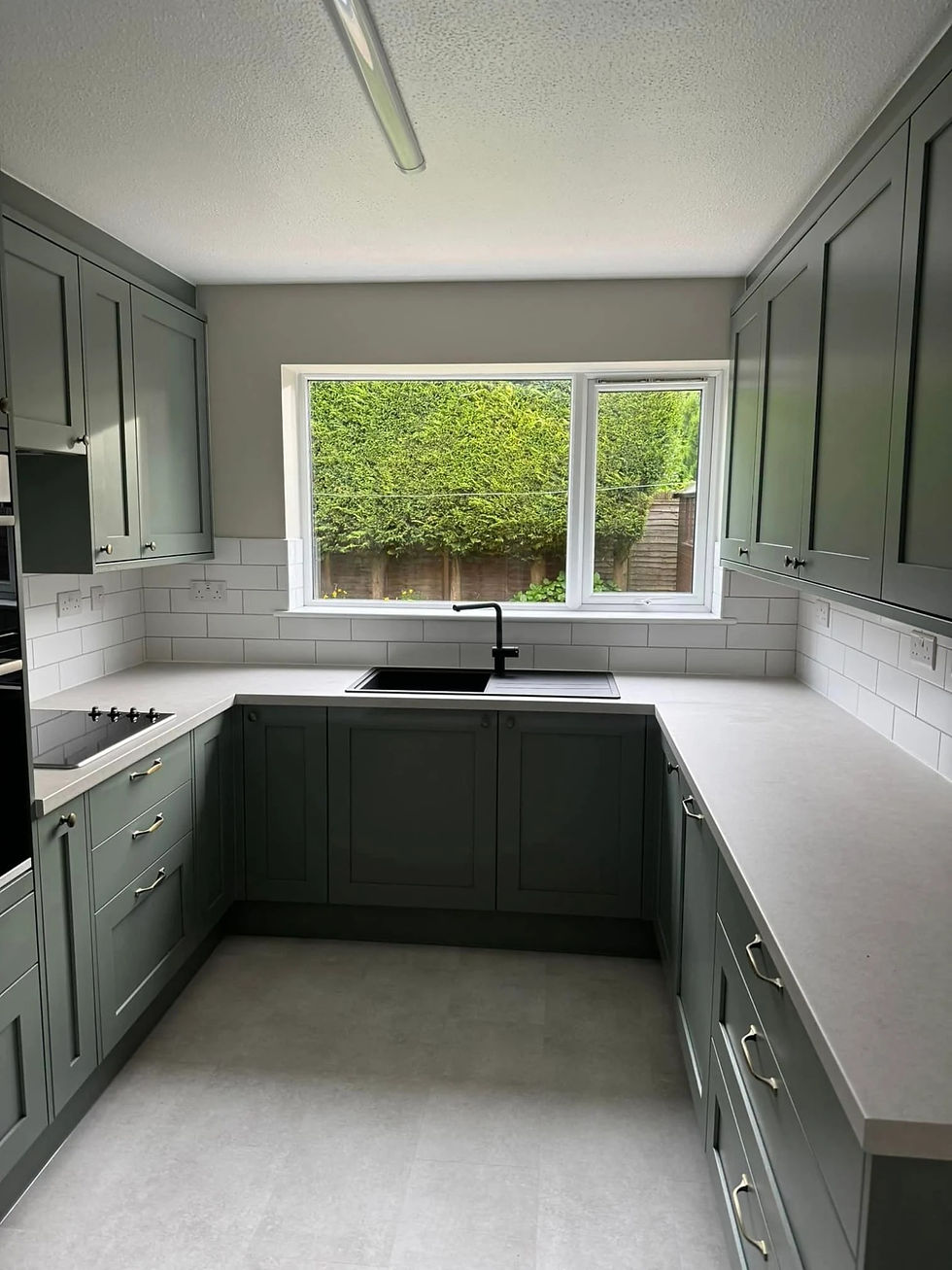
Ultimately, flow is as much about atmosphere as layout. Choosing a cohesive colour palette, harmonious materials, and soft finishes helps create a sense of calm—especially important in a bustling family home.
Whether you love warm woods and soft greys or a bolder mix of tones, a cohesive aesthetic will make the space feel organised and intentional—even during the after-school rush.
Materials That Work for Life
In a busy family kitchen, surfaces take a daily beating. From breakfast crumbs to paint splatters, pasta sauce to muddy footprints—this is a space where life happens in real time. That’s why choosing the right materials isn’t just about style—it’s about selecting finishes that are tough enough to withstand family life, yet still beautiful enough to elevate the space.
Here’s how to choose family friendly kitchen materials that can handle mess, mischief, and mealtimes with equal grace:

1. Worktops That Can Take It All
Your kitchen worktop is one of the most-used surfaces in the home. In a family kitchen, it needs to be more than just good-looking—it must be durable, hygienic, and easy to maintain.
Quartz: A top choice for many families, quartz worktops are non-porous, resistant to scratches and stains, and don’t require sealing. Available in a wide range of finishes, it’s ideal for homes where spills are frequent and cleaning needs to be fast and fuss-free.
Compact Laminate: A newer contender, compact laminate is thin, stylish, and incredibly resilient to moisture and wear. It’s perfect for contemporary spaces and families who want practicality without compromising on modern aesthetics.
Solid Surface Materials (like Corian): Seamless, sleek, and easy to repair if scratched. These are ideal for curved corners—great if you're designing a family friendly kitchen with younger children.
Wood: While beautiful and warm to the touch, wood worktops do require a little more care. They suit families who love a rustic or traditional look and are happy to maintain them over time.

2. Cupboards and Cabinets That Stay Beautiful
Cabinet doors are one of the first things people see—and touch. In a family kitchen, they must look good while being forgiving to fingerprints, splashes, and the occasional sticky hand.
Matt Finishes: A matt finish, particularly in darker tones, hides smudges and marks better than glossy options. It’s ideal for homes with little ones who like to explore with their hands.
Textured Surfaces: Grainy or wood-effect laminates add visual depth while concealing everyday wear. They're a great low-maintenance option with a premium look.
Painted Cabinets: A classic painted cabinet in hard-wearing lacquer offers a timeless finish. Go for lighter tones if you want to brighten the space, or rich shades like navy, sage, or charcoal for warmth and personality.
Tip: Choose rounded cabinet handles or soft-closing mechanisms to reduce accidents and keep the space calm.
3. Flooring That Stands Up to the Real World
Kitchen floors take on a lot: muddy shoes, dropped cutlery, food spills, and the odd dropped toy. A good family friendly kitchen floor needs to be durable, slip-resistant, and easy to clean.
Luxury Vinyl Tile (LVT): Looks like wood or stone but is warmer underfoot, quieter, and incredibly durable. It’s waterproof, which makes it a favourite for families with young children or pets.
Porcelain Tiles: Tough, timeless, and available in endless finishes—from stone effect to polished concrete. They're extremely hard-wearing and resistant to moisture and staining.
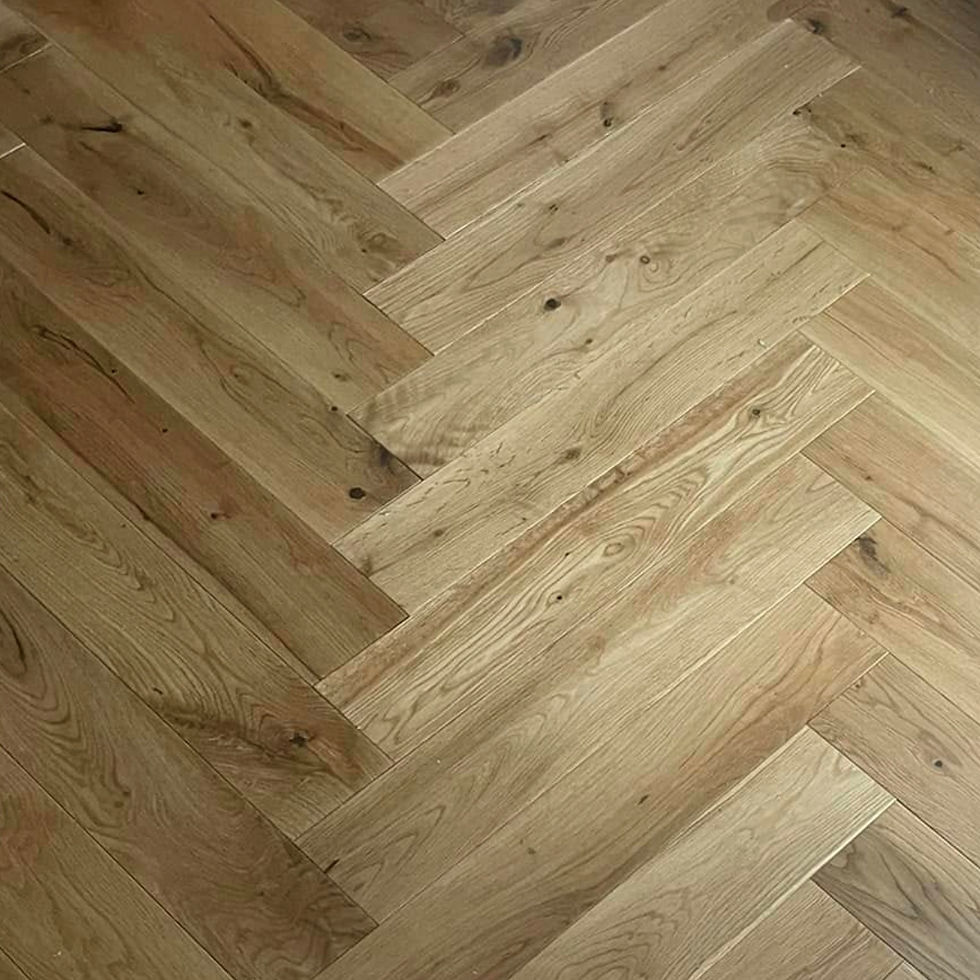
Engineered Wood: For those who love the warmth and grain of natural wood, engineered wood provides greater stability and moisture resistance than solid wood—perfect for open-plan family kitchen spaces.
Cork Flooring: An eco-friendly, cushioned option that’s naturally antimicrobial and comfortable to walk on. Ideal for kitchens where children like to sit and play.

4. Splashbacks That Pop and Protect
Splashbacks are functional but can also be a focal point in your kitchen design. In a family kitchen, they also protect your walls from splatters, spills, and steam.
Toughened Glass: Easy to wipe clean and available in any colour or printed pattern, glass splashbacks offer a seamless, modern finish.
Metro Tiles: Stylish and practical, these offer a timeless look that suits both classic and contemporary kitchens. Choose darker grout to hide stains.
Stainless Steel: Great behind hobs or cooking zones—heat resistant, hygienic, and adds a professional look.
Wipe-Clean Paint: A budget-friendly option for feature walls or chalkboard panels where kids can doodle while dinner’s cooking.

5. Child-Friendly Touches You’ll Thank Yourself For
In a space where children are welcome to roam, a few well-thought-out material choices can go a long way:
Rounded Edges on Worktops and Units: Soft curves help avoid bumps and bruises for little ones on the move.
Soft-Close Drawers and Doors: Quiet, safe, and finger-protecting—essential in any busy home.
Non-Slip Flooring Finishes: Look for textured tiles or vinyl that minimise slips, especially in splash zones near sinks or dishwashers.
6. Durable, Beautiful Fixtures That Last
Don’t overlook the small details—taps, handles, and lighting can all be vulnerable in a family kitchen. Choose robust fittings with finishes that wear well and clean easily.
Brushed or Matt Finishes: These tend to show fewer marks than polished chrome.
Pull-Down Taps: Useful for filling pots or cleaning mucky hands.
LED Under-Cabinet Lighting: Energy efficient and safe, especially for illuminating prep areas without harsh overhead lights.
7. Materials That Age Gracefully
The best kitchens get better with age. Whether it’s a wooden butcher block developing patina or stone surfaces telling the story of family life, choosing materials that wear with character ensures your kitchen continues to feel welcoming, even after years of daily use.

Design That Grows with You
Your family kitchen shouldn’t just last for years—it should grow alongside your family.
Flex storage schemes: Adjustable shelving and modular drawer inserts evolve as needs change
Zoned resilience: Design kitchen zones that shift easily from breakfast prep to creative arts, homework or laundry folding as your family routine evolves.
Timeless base, trend accents: Choose classic cabinetry styles, then layer in trending colours or lighting—this saves redesign headaches while keeping the space fresh
Bringing It All Together: A Day in the Life
Picture weekday mornings: breakfast toast on the island, kids grabbing cereal from their lower cupboard without disruption, your footed coffee waiting nearby. Homework happens at the table, cleanup is swift with easy-clean quartz, and messages or schedules are jotted on a chalkboard wall.
Evening: dinner cooked safely while helping tidy homework. Spare plates slide into banquette storage. Cleanup is quick, surfaces stay clean, and everything has its place. Peace, order, connection.
That’s the power of a well-designed family kitchen.
Summary
Here's how your dream family kitchen comes to life:
Smart Storage: Pantry fit for rush hours, hidden drawers, full-height cabinetry, and child-height access.
Safety Essentials: Locked cabinets, induction hobs, rounded corners, and clear traffic flow planning.
Seamless Flow: Open-plan cohesion, thoughtful zoning, integrated seating, and smart fridge placement.
Durable Materials: Easy-clean surfaces, quartz or laminate counters, and child-friendly finishes.
Future‑Ready Design: Flexible storage, timeless design with adaptable accents, and zones that evolve with needs.
A family friendly kitchen is so much more than beautiful cabinetry—it’s the centre of connection, support, and creativity in your home. With smart storage, safe design, and a layout that flows, your kitchen becomes a place where every day feels just a little brighter.


Comments